
The Cultural and Aesthetic Impact of Skull Dread Beads
Intro
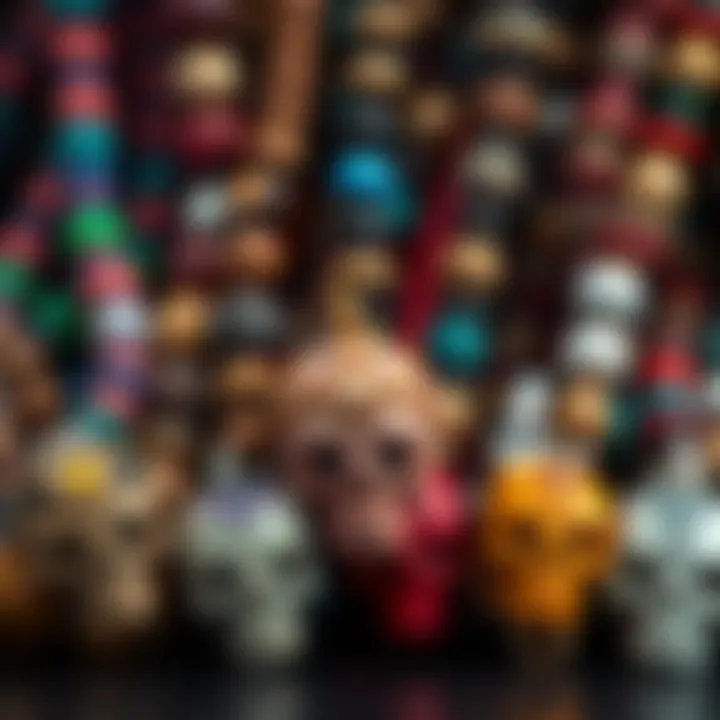
The allure of skull dread beads goes beyond their visual appeal, weaving together threads of history, culture, and individual expression. These beads, often seen adorning the locks of those embracing the dreadlock hairstyle, serve as symbols of rebellion, spirituality, and artistic creativity. As we dive deeper, it's clear these beads are far more than mere accessories; they encapsulate a rich tapestry of meaning that resonates across various subcultures and aesthetic movements.
Skull dread beads have made a remarkable journey, evolving from ancient traditions to define contemporary fashion narratives. Every bead carries stories of the past, frequently influenced by indigenous cultures, art movements, and the ever-shifting trends of modern style. Their characteristics are not only visually striking but also thematically substantial, offering insight into societal dynamics and personal identity.
Furthermore, in today’s world, they find their place in the wardrobes of designers, stylists, and fashionistas alike. Whether enhancing a bohemian ensemble or adding an edgy twist to urban wear, these beads hold a unique position in the ever-expanding canvas of modern fashion.
Style Insights
Seasonal Trends
In terms of fashion trends, skull dread beads have shown remarkable adaptability. Each season introduces fresh styles, with variations in color, material, and design. For instance, in spring and summer, many opt for brightly colored beads with intricate patterns, reflecting the vibrancy of nature as it comes alive. Fall typically ushers in a taste for earthier tones—think deep browns, greens, and metals—mirroring the changing leaves and inviting cooler weather.
- In summer:
- In winter:
- Brightly colored beads in shades like turquoise and fuchsia are prevalent.
- Lighter materials, such as glass and certain plastics, dominate the selections.
- You might see darker, more subdued hues—think obsidian, deep red, or even frosted white glass.
- Heavier materials like wood and metal come back into style, offering warmth and texture.
Iconic Looks
When discussing iconic looks, it’s hard to overlook the impact of music, particularly in genres such as reggae and punk rock, where skull dread beads have become synonymous with the style. Figures like Bob Marley and various punk bands have donned these accessories, thus embedding them deeply into the cultural fabric.
- Consider how celebrities and influencers utilize these beads:
- Some wear them loosely in their hair, portraying a carefree vibe.
- Others strategically place them on hats or outfits, creating a customized fashion statement.
The versatility allows for immense creativity, allowing creators to express individual stories through their selection of beads, fostering a thriving community of artists and admirers.
Cultural Significance
In the realm of culture, skull dread beads often symbolize a connection to traditional beliefs or a celebration of life and mortality. They are used in rituals or personal ceremonies, showcasing a blend of spirituality and style that many embrace.
"The presence of skull dread beads can signify wisdom and a rebellious spirit, reminding one of life's ephemeral nature and the importance of living authentically."
The craftsmanship behind these beads is also noteworthy. Many artisans craft them by hand, which keeps traditional methods alive while also bringing personal stories to life. The incorporation of local materials and techniques adds another layer of depth, making these beads not just fashionable, but culturally and artistically significant.
The power of skull dread beads lies in their layered meanings and the endless possibilities they offer for personal expression within the dynamic landscape of fashion today. As these beads continue to evolve, they remain steadfast in their cultural and aesthetic roles, inviting us to explore their significance in our own lives.
Foreword to Skull Dread Beads
Skull dread beads, those striking adornments often spotted nestled within the flowing territory of dreadlocks, evoke a blend of cultural narratives and aesthetic choices. By piecing together their historical significance, craft, and cultural implications, this exploration sets the stage to not only appreciate their beauty but also to understand the deeper meanings that stem from their presence in modern society.
These beads are not just accessories; they are markers of identity and expression. To many, they transcend mere decoration, becoming symbols steeped in personal and collective histories. The importance of understanding skull dread beads lies in acknowledging how they serve as an intersection of art, culture, and fashion, providing unique insights into the communities that embrace them.
Definition and Overview
At their core, skull dread beads are decorative pieces typically crafted from various materials, which can include wood, metal, or even recycled products. Their design often features skull motifs, which carry a range of meanings—from evocations of spirituality and the cycle of life to symbols of rebellion against conventional standards. Originally invigorated by the Rastafari movement, these beads have found a welcoming place in diverse cultures, embracing the aesthetic of individuality and freedom.
The versatility of these beads is particularly striking, as they can effortlessly blend into both casual and more upscale fashion. Whether used in everyday wear or showcased on runways, their adaptability makes them a compelling subject for both fashion designers and influencers alike.
Cultural Origins and Historical Context
Skull beads have roots that reach deeply into the rich soil of cultural traditions. The Rastafari culture, primarily rooted in Jamaica, first popularized the use of such adornments. This movement was profoundly influential, intertwining spiritual beliefs with self-expression through hairstyles and accessories. For practitioners, the skull bead often signifies the realization of mortality and the acknowledgment of life cycles. It invokes respect for ancestors, making every bead a narrative connector between past and present.
Beyond Rastafari, skull beads have found significance in various other cultures globally. They symbolize power, strength, and a connection to the earth in many indigenous tribes. During ancient times, skull decorations were often used in tribal rites, celebrating life and death in a cycle that many societies continue to recognize.
In contemporary culture, the adoption of skull dread beads has continued to expand. Their embodiment of nonconformity makes them appealing to a wide range of subcultures—from punk rock to hip-hop. This evolution demonstrates how an object can migrate across diverse realms and encapsulate a multitude of meanings.


"Skull dread beads are more than adornments; they signify a culture's soul, weaving stories through each intricate design."
Understanding these cultural contexts not only enhances knowledge of the beads themselves but also shapes the way they are perceived in fashion today. As we explore further, it will become increasingly clear that these beads are not simply trends, but rather tokens of human experience, craftsmanship, and collective identity.
The journey into the world of skull dread beads is one that connects aesthetics with deeper cultural roots, illustrating how fashion can embody narratives as powerful as the materials from which they are crafted.
Material and Craftsmanship
The materials and craftsmanship that go into producing skull dread beads play a vital role in their overall aesthetic and cultural significance. In this section, we will unpack the types of materials used, as well as the craftsmanship techniques that shape these unique adornments. Understanding these facets not only deepens an appreciation for the artistry involved but also highlights the choices consumers make when selecting these elements for fashion and personal expression.
Types of Materials Used
Natural Materials
Natural materials, such as wood, bone, and various seeds, offer a distinctive value when it comes to skull dread beads. One of their key characteristics is sustainability, as they are sourced from renewable resources. For instance, wood beads can come from fast-growing trees, minimizing environmental impact. Their organic textures are often sought after, which lends a more earthy vibe to the overall design.
A unique feature of natural materials is their irregularities—each bead can carry its own unique patterns and hues. This individuality speaks to wearers' desires for authenticity and personal touch. However, one potential drawback is the variability in quality; sometimes, these materials can be prone to wear and damage over time, requiring careful maintenance. Still, their natural appeal often outweighs any downsides, making them a popular choice in the crafting of skull dread beads.
Synthetic Options
Synthetic options, including plastic and resin, have gained traction in the dread bead market for several reasons. A main characteristic of synthetic materials is their consistency—each bead can be produced to have similar size and color, which appeals to those in search of uniformity in their designs. Synthetic beads can also be created in a wider range of colors and styles compared to natural materials, offering sellers versatility in their collections.
What sets synthetic options apart is their durability. Unlike natural materials, they are often resistant to fading and chipping, making them suitable for daily wear. Nonetheless, they can lack some of the authentic charm that comes with hand-crafted natural pieces. A consideration for buyers might be the ethical implications of plastic use and its environmental effects. While they fulfill many modern aesthetic desires, there’s an ongoing dialogue about sustainable consumerism in the use of synthetic beads.
Eco-Friendly Alternatives
With a rise in environmental consciousness, eco-friendly alternatives are becoming more prominent. Materials such as recycled glass, bamboo, and even bioplastics are noteworthy for their lighter footprint on the earth. These materials are essential in the context of contemporary fashion's push towards sustainability. Their main characteristic is the reduction of waste, promoting responsible sourcing practices.
A unique feature of eco-friendly alternatives is the sourcing transparency they often come with, which appeals to conscientious consumers. While these materials can reflect a commitment to sustainability, potential challenges include limited access and slightly higher costs compared to their traditional counterparts. Nevertheless, as eco-friendly alternatives increasingly gain popularity, they offer a compelling option for those who seek both style and sustainability in their skull dread beads.
Crafting Techniques
Handmade vs. Mass Production
The debate between handmade and mass production methods in crafting skull dread beads reflects broader discussions on individuality versus accessibility. Handmade beads carry the hallmark of artistry, often showcasing the unique skill sets of artisans. One significant advantage of handmade pieces is the capacity for customization, allowing buyers to choose specific designs, colors, or sizes suited to their personal aesthetic. The flaws inherent in handmade items often add to their charm, serving as reminders of the human touch behind each piece.
Conversely, mass-produced beads offer a different allure. Their main trait is affordability, making them accessible to a wider audience. The consistency in design ensures that consumers can purchase matching sets with ease. However, the downside of mass production is the lack of distinct personality; these beads can often feel generic and less connected to cultural narratives.
Artistic Influences on Design
Artistic influences on design range from cultural symbols to modern street fashion, impacting how skull dread beads are perceived and utilized. The infusion of various artistic styles can enhance the bead's visual appeal, offering a diverse range of options—from minimalist designs to vibrant, intricate patterns. This interplay between various art forms not only enriches the bead’s aesthetic but also reflects the personal values and beliefs of the wearer.
A unique aspect of artistic influence is that it can serve to revive cultural narratives while simultaneously adapting them for contemporary audiences. However, this raises questions about authenticity and representation. The incorporation of certain symbols or motifs can border on appropriation, potentially alienating communities from which these designs originate. Striking the right balance between inspiration and respect is crucial in navigating this artistic landscape.
Aesthetic Influence in Fashion
The aesthetic appeal of skull dread beads is a key factor in their growing prominence within contemporary fashion. These unique adornments not only serve a decorative purpose but also communicate deeper meanings and affiliations. Their intrinsic beauty is interwoven with cultural significance, adding layers of appreciation for fashion designers, stylists, and consumers alike. By understanding the aesthetic influence these beads have, one can truly grasp their relevance in modern styling and self-expression.
Trends in Fashion
Integration with Dreadlocks
The integration of skull dread beads with dreadlocks is a noteworthy aspect that brings to light the beads' aesthetic influence. Dreadlocks are often not just about hairstyling; they represent cultural and personal narratives. By incorporating skull beads into this hairstyle, individuals add an element of distinction and character. The combination creates a unique visual impact that resonates with authenticity and personal flair.
One of the key characteristics of integration with dreadlocks lies in how the beads are embellished in various styles. From vibrant colors to intricate designs, these beads serve as a medium through which individuals can express their individuality. Their versatility makes them a popular choice, allowing wearers to coalesce traditional elements with modern aesthetics.
However, while there are many advantages to integrating skull beads with dreadlocks, it’s not without its challenges. Some individuals may find attaching beads to dreadlocks could wear down the hair over time if done improperly. Nonetheless, the visual richness they provide often outweighs potential downsides for many.
Use in Streetwear Culture
The use of skull dread beads in streetwear culture showcases their adaptability and growing relevance in contemporary fashion scenes. Streetwear often draws upon subcultural influences, and the incorporation of these beads presents an edgy look that blends well with urban aesthetics. This style is widely embraced by various demographics, allowing for sparks of creativity that go hand-in-hand with self-expression.


A key characteristic of this trend is its ability to democratize fashion. Anyone can incorporate skull dread beads into their wardrobe, transcending socioeconomic boundaries. The result is a fashion statement that appeals to a diverse audience, further solidifying their place within streetwear culture.
Moreover, the unique feature of these beads lies in their narration of personal stories. Each bead can signify different aspects of the wearer’s journey, be it personal, cultural, or stylistic influences. While advantages like high visibility in urban fashion are numerous, there's also a challenge in ensuring that the use of skull beads remains meaningful and not merely a commodified trend.
Symbolism and Personal Expression
The aesthetic of skull dread beads transcends mere decoration; they often embody powerful symbolism and serve as a means of personal expression. When embraced, these beads allow wearers to convey profound messages about themselves, their backgrounds, and their views.
Identity and Individuality
Identity is a core component in the discussion of skull dread beads. Each bead tells a story, connecting the wearer to various aspects of their cultural heritage or personal journey. Whether it's a nod to one’s beliefs, values, or experiences, incorporating skull dread beads into one’s look signifies a celebration of individuality. This characteristic underscores why such adornments resonate on a deep emotional level with many.
The unique feature of identity and individuality in this context also lies in its capacity to foster a sense of belonging. By choosing specific designs or materials, individuals can curate their identity in a visually stimulating manner. However, it comes with the challenge of ensuring authenticity; as these beads become mainstream, there's a risk of their cultural connotations being diluted or overshadowed by commercialism.
Rebellion and Nonconformity
Rebellion against societal norms is another significant aspect that skull dread beads often express. In many cultures, the skull symbolizes defiance and a rejection of conventional pathways. This idea appeals to a generation that often seeks to challenge societal expectations through fashion.
The rebellious nature of skull beads can be incredibly appealing, as they allow individuals to stand out and make bold statements about who they are. The combination of dreadlocks and skull beads creates an aesthetic that is both fierce and creative. However, the flip side is that this strong visual identity may alienate some audiences who prefer more subtle forms of expression.
Social Dynamics and Subcultures
In the realm of skull dread beads, social dynamics and subcultures play a pivotal role in shaping their significance and aesthetic appeal. These beads have transcended their origins, becoming more than mere accessories; they are symbols of identity, rebellion, and community. Analyzing the intersection of these cultural artifacts with various social groups allows us to understand not only their popularity but also their deeper meanings.
Adoption by Various Subcultures
Rasta and Reggae Influences
The Rasta movement has been a crucial catalyst for the popularity of skull dread beads, intertwining spirituality with style. For many Rastas, dreadlocks are not just a fashion statement; they represent a connection to their heritage and a stand against oppression. The incorporation of skull beads signals an embrace of life and death, reflecting the cyclical nature of existence. The aesthetic of these beads often carries the bold colors and intricate patterns characteristic of reggae culture. Their usage serves to personalize dreadlocks, transforming a singular hairstyle into a unique canvas of artistic expression.
A key characteristic of this influence lies in the symbolism attached to the beads. They often denote strength, wisdom, and a certain fierceness that resonates with the ethos of reggae music. This makes them a beneficial choice for individuals seeking to convey their identity through accessories. Nevertheless, it’s essential to recognize that such a personal connection could be viewed with caution in broader contexts. Some may worry that without proper understanding, the symbolism can become diluted or misappropriated, leading to unintended consequences in fashion narratives.
Globalization Effects on Usage
Globalization has dramatically shaped the ways skull dread beads are perceived and utilized across cultures. As styles and trends move seamlessly from one area to another, these beads have found their way into fashion circles worldwide. What once were locally embraced accessories now enjoy a global stage, seen draped alongside an array of fashion styles, from high end to streetwear. This exposure can be attributed to various forms of media, notably social platforms, where influencers showcase their use of beads in unique ways.
One key advantage of globalization is the fusion of ideas and styles, which allows for innovative interpretations of traditional designs. This unique feature fosters a sense of cultural appreciation as artisans borrow elements from each other, enriching the aesthetic experience. However, there exists a downside; sometimes, the emphasis on commercialization may overshadow the rich history behind these beads. As the market expands, the original meanings can be diluted, resulting in a mere aesthetic choice rather than a cultural homage.
Community and Identity Formation
Beyond adoption by subcultures, skull dread beads play a significant role in community and identity formation. For many, wearing these beads serves as a method of aligning oneself with a community that shares similar values and experiences. They function as unifying elements among individuals, helping to forge connections within groups that might otherwise feel disparate.
The communal aspect of these beads can be particularly compelling in artistic and musical circles, where the narrative of self-expression is integral. As individuals gather in spaces, whether online or in person, adorned with similar accessories, they build a collective identity, often giving rise to supportive networks where creativity flourishes.
Contemporary Marketing and Commercialization
The realm of contemporary marketing and commercialization has turned into a crucial framework in which skull dread beads navigate their journey from cultural artifacts to popular fashion statements. This shift speaks volumes about the evolving narrative surrounding these accessories, reflecting broader societal trends and attitudes. As the cultural significance of skull dread beads intertwines with modern market dynamics, it is essential to explore how brand positioning, influencer dynamics, and social media trends mold their presence in the fashion world.
Rise in Popularity
Influencer Impact
The role of influencers in establishing trends cannot be overstated. When it comes to skull dread beads, influencers often act as the bridge between niche cultural expressions and mainstream acceptance. These individuals have a way of crafting stories through visuals on platforms like Instagram and TikTok, thereby introducing skull dread beads to a wider audience. One key characteristic of influencer impact is their ability to generate buzz and excitement, igniting interest where there might have been none before.
The unique feature of these influencers is not just their follower counts, but their engagement levels. A post featuring skull dread beads can lead to a surge of interest, as followers often seek to emulate the styles they admire. However, while this phenomenon brings positive exposure, it also opens the door to potential over-commercialization, where the essence of the cultural background might get lost in the process.
- Advantages: Influencers lend cultural legitimacy to skull dread beads.
- Disadvantages: There’s a risk of transforming authentic pieces into mere trendy accessories.
Social Media Trends
Social media has developed as a double-edged sword for skull dread beads. On one hand, it serves as a platform for sharing artistry, showcasing how these beads complement different styles and cultures. This presents a rich palette of creativity, as users express themselves through innovative combinations and placements. Platforms like Pinterest and TikTok play a vital role in shaping these trends, with hashtags like #SkullDreadBeads augmenting visibility.
On the other hand, trending content can lead to short-lived fads that might not serve to honor the beads' original cultural significance. As styles rise and fall in popularity, it can become a challenge to maintain an ongoing appreciation for the craftsmanship and heritage behind these beads. The key characteristic of social media trends is the rapid dissemination of styles, making it both exciting and precarious.
- Advantages: Social media amplifies the reach of skull dread beads.
- Disadvantages: The transient nature of trends might overshadow deeper cultural meanings.
Brand Collaborations
Fashion Week Highlights
Fashion weeks around the globe have become essential platforms for showcasing the latest trends, and skull dread beads often find their way into high-fashion runways. The key characteristic of these events is their ability to merge art and commerce, turning culturally inspired designs into sought-after fashion statements. The presence of skull dread beads at these events signifies not just their aesthetic appeal, but also their capacity to command attention within the fashion community.
Often, designers incorporate these beads into elaborate collections, highlighting craftsmanship and emphasizing cultural narratives, which can make these shows feel more authentic and culturally aware. However, it’s important to note that while such visibility is beneficial, it also risks reducing the beads to a trend rather than allowing them to be revered for their cultural stories.
Independent Artisans vs. Big Brands
In today's marketplace, a notable confrontation exists between independent artisans who create skull dread beads and larger brands looking to exploit this niche. The key characteristic of independent artisans is their dedication to preserving traditional crafting methods and cultural integrity. Each bead often tells a story, deeply rooted in heritage, which mass-produced versions may lack.
Conversely, big brands can leverage vast networks to elevate these beads into mainstream consciousness, but they may not honor their origins. While this avenue opens economic opportunities for artisans, it prompts a conversation about the authenticity of products offered in a commercialized landscape.
The choice between supporting independent artisans or big brands impacts not only consumer trends but also cultural preservation.
- Advantages of artisans: Fosters authenticity and sustains local cultures.
- Disadvantages: Limited reach compared to big brands.
In understanding contemporary marketing and commercialization, these threads weave a complex fabric that reflects deeper values, cultural sensitivity, and aesthetic expressions spoken through skull dread beads. This synergy between culture and commerce creates a dynamic landscape for designers, marketers, and consumers alike.
Ethical Considerations
Delving into the world of skull dread beads isn't merely about aesthetics or cultural heritage; it also involves a complex web of ethical concerns. The modern fashion landscape often brushes against sensitive subjects, such as the sourcing of materials, cultural representation, and the fine line between appreciation and appropriation. For those involved in the fashion industry—designers, marketers, and influencers—understanding these ethical considerations is crucial, as it impacts not just their brand image but also their connection to diverse communities around the globe.
Sourcing Materials Responsibly
Sourcing materials responsibly is an essential aspect of ethical fashion. As the demand for skull dread beads grows, it is of utmost importance that materials are harvested in a way that honors both the environment and the cultures from which they originate. Here are several elements that underline this concept:
- Sustainable Materials: Natural fibers like hemp and cotton can be preferred over synthetics. These materials often have a smaller ecological footprint.
- Traceable Supply Chains: It is vital for brands to have a transparent process in sourcing beads. Knowing where materials come from helps ensure that they are not contributing to environmental degradation or exploitative labor practices.
- Support Local Artisans: Many cultures have traditional methods of creating decorative crafts. Engaging local artisans not only empowers communities but also sustains cultural practices.
The choice of materials in fashion should not be taken lightly; it can signal a brand's overall ethos and commitment to sustainability. Additionally, integrating responsible sourcing within a brand story could resonate more with conscious consumers. Remember, as Patagonia highlights on their sustainability page, the impact of consumer choices stretches far beyond a single product.
Cultural Appropriation vs. Appreciation
Navigating the waters of cultural appropriation and appreciation can be tricky for designers and marketers. The key difference lies in the intent and manner in which cultural elements are used. Understanding this distinction is vital:
- Cultural Appropriation: This occurs when elements from one culture are used by another, often without understanding or respecting their significance. For instance, using skull symbols from indigenous cultures as mere fashion statements can overlook their deeper meanings.
- Cultural Appreciation: This entails acknowledging and respecting the origins and significance of cultural elements. It involves celebrating the culture's value, perhaps by collaborating with those from that culture or sourcing materials respectfully.
Brands that lean toward appreciation are inherently more likely to foster goodwill within diverse communities. Influencers should be aware that their choices resonate; simply donning skull dread beads without understanding their cultural roots can perpetuate a narrative devoid of respect.
In summary, ethical considerations in the fashion industry are not optional; they're fundamental. By sourcing materials responsibly and navigating the fine line between cultural appreciation and appropriation, brands can cultivate lasting connections with their audience while honoring the rich histories that skull dread beads represent. \n
“Ethics in fashion is not a trend; it is a necessity.”
For more literature regarding ethical considerations in fashion, check out the Business of Fashion for insightful articles on this matter: businessoffashion.com.
Ending
The exploration of skull dread beads within modern fashion is not a mere trend; it reflects a complex tapestry of cultural narratives, aesthetics, and profound meanings. This article highlights the multifaceted role these beads play in fashion and society, underlining how they serve not only as decorative elements but also as symbols of identity, rebellion, and community. The journey has been rich in insights into their origins, craftsmanship, and the social implications tied to their use.
Reflection on Skull Dread Beads in Modern Fashion
In the context of contemporary fashion, skull dread beads have become more than a simple accessory; they encapsulate stories of heritage, personal expression, and even resistance against standard norms. The appeal of these beads lies in their ability to bridge the past with the present, linking traditional craftsmanship with modern aesthetics.
Their adaptability within various fashion contexts—ranging from streetwear to high fashion—shows a unique intersection between everyday wear and haute couture. For instance, designers often integrate these beads in unexpected ways, transforming them from cultural artifacts into high-end statements.
With the rise of social media, images featuring skull dread beads gain traction, influencing trends globally and prompting broader discussions on cultural appropriation versus appreciation. As these conversations unfold, it's crucial for designers and retailers to approach the incorporation of such elements with sensitivity and respect for their origins.
"Understanding the cultural significance behind fashion pieces can elevate an entire collection, providing depth and context that resonates with a diverse audience."
As fashion continues to evolve, the significance of skull dread beads remains dynamic. They serve as a reflective medium through which wearers can communicate their values, beliefs, and personal stories. This article, therefore, not only illuminates the aesthetic appeal of these beads but also emphasizes their substantial role in shaping identities and fostering communities within the fashion sphere.