
The Benefits of Large Eye Needles in Yarn Crafting
Intro
When diving into the world of yarn crafting, it’s impossible to overlook the significance of the tools we use. Among these, large eye needles hold a noteworthy place. These needles, with their ample eye opening, are not just a simple tool—they are a game-changer in various yarn-related projects. Whether you’re threading thicker yarns or tackling complex patterns, their design aids in smoothing the crafting process. This guide intends to shine a spotlight on the practical aspects of large eye needles, examining their distinct advantages and the best practices for using them effectively.
Crafting with these needles tends to elevate your projects, making it easier to manipulate various types of yarn. This is particularly beneficial when dealing with chunky yarns or textured fibers that can pose challenges for traditional needles. For both novice enthusiasts and seasoned professionals, understanding the utility of large eye needles can enhance not only your skills but also connection to your craft.
Through this article, you'll gather insights into the performance of large eye needles, explore their role in seasonal trends, and consider their significance in enhancing iconic looks. Furthermore, we’ll uncover wardrobe essentials that incorporate these components and delve into dressing for occasions that require a dash of creativity and finesse. As you read on, you’ll discover how these seemingly simple tools can transform your craft into an art form.
Prelims to Large Eye Needles
In the realm of yarn work, large eye needles hold a crucial place, serving as unsung heroes in crafting. Their design—featuring an oversized eye—brings notable advantages for those delving into various yarn projects. Their importance extends beyond mere functionality; they facilitate a smoother crafting experience and promote greater creativity. Whether one is knitting a cozy blanket or weaving intricate designs, understanding the utility of these needles amplifies both efficiency and enjoyment in the crafting process.
Understanding the Basics
Large eye needles, as the name suggests, are designed with a wider-than-usual eye, allowing for easy threading of thicker yarns or multiple strands. This unique structure is not just for show; it’s a game changer. Crafters often find themselves fumbling with standard needles, especially when working with chunky yarns or when adding embellishments like beads. By using large eye needles, artisans can avoid the frustration commonly associated with threading, thereby enabling a more fluid and stress-free crafting journey. The ease of use can significantly improve the overall experience, making crafting feel less like a chore and more like a joy.
For instance, imagine you are mid-project, and the needle becomes stuck or refuses to thread properly. This bump in the road can sap one’s enthusiasm. In contrast, large eye needles provide a pathway for smoother threading, keeping the momentum of creativity alive. Thus, they are not just tools; they are allies in elevating one’s craftsmanship to a new level.
The Role of Needles in Yarn Work
Needles, at the core, are the instruments that guide the yarn through various techniques—be it knitting, crochet, or embroidery. Their shape, size, and material influence the outcome of the final piece. With large eye needles stepping into the limelight, they perform several roles that enhance the crafting process:
- Facilitate Versatility: Suitable for different yarn types, these needles adapt well whether one is working with thick wool for a winter scarf or delicate cotton for summer shawls.
- Encourage Inclusion: Novice crafters often feel intimidated by more standard equipment. Large eye needles create a welcoming environment for beginners as their forgiving nature allows for mistakes with minimal ramifications.
- Optimize Efficiency: The broader eye permits more efficient threading, ensuring crafters can allocate their time to creating rather than struggling with set-up.
As these points illustrate, large eye needles are indispensable in yarn work. Their thoughtful design not only caters to the practicality of stitching but also reflects a deeper consideration for the emotional aspects of creating with yarn. By understanding and embracing these tools, crafters can unlock their full potential in textile artistry.
Characteristics of Large Eye Needles
Understanding the characteristics of large eye needles is vital for anyone engaged in yarn work, be it for crafting, fashion design, or textile production. These needles possess specific attributes that not only set them apart from standard needles but also enhance their utility in various applications. Grasping the details of design, materials, and size variations can go a long way in making the right choice for any project.
Design and Structure
The design of large eye needles stands out due to their notably larger eye, which facilitates easier threading. This feature is especially valuable when working with thicker yarns or multiple strands, reducing the frustration and time often associated with conventional needles. The design also often incorporates a tapered point, which allows for smoother penetration through the yarn and fabric. The contrast between the body and the eye in terms of thickness can also contribute to improved flow during crafting.
Moreover, these needles often come in various shapes, catering to a range of craft techniques. For instance, some have a slight curve or a blunt tip, which is particularly beneficial for certain crochet methods. This adaptability in design makes them suitable for projects that require diverse techniques, paving the way for creativity and efficiency in the crafting process.
Material Choices
When it comes to material, the options for large eye needles are diverse, which also affects their usability. Common materials include steel, aluminum, and even specialized plastics. Steel needles are often celebrated for their durability and strength. This makes them ideal for projects that involve heavier materials. Aluminum is lightweight and offers ease of use, especially for long crafting sessions. Alternatively, plastic needles can provide a softer touch, suitable for beginners or delicate fabrics.
In addition to performance, the choice of material can also impact the aesthetic aspect of crafting. Many brands, like Clover, even offer colorful options to match the project theme or personal style, thereby adding an eye-catching element.
Size Variations and Their Importance
Size is another significant aspect to consider when selecting large eye needles. These needles come in a variety of sizes, which directly correlates to the thickness of the yarn being used. For example, a larger needle may be necessary for chunky yarns, while medium to smaller needles better suit finer threads. The right size ensures that the yarn is not damaged while maintaining the integrity of the stitches, which can otherwise lead to unraveling or pilling.
"Choosing the correct needle size is crucial; it can make or break your entire yarn project."
Additionally, it is essential to match the needle size with the specific requirements of the project at hand. For knitting techniques that involve intricate patterns or delicate work, opting for the correct size can be the difference between smooth crafting and a frustrating experience.
In summary, understanding the diverse characteristics of large eye needles—from their design and materials to size variations—allows crafters to make informed decisions that enhance both the enjoyment and efficiency of their work. This knowledge empowers not only DIY enthusiasts but also professionals in the fashion and textile industries.
Applications of Large Eye Needles
The world of yarn-based crafting is as varied as it is vibrant. Large eye needles have carved out a distinct niche due to their ease of use and adaptability across multiple crafting techniques. In this section, we’ll explore how these needles find their place in hand knitting, crochet projects, and finishing techniques. Understanding these applications not only enhances crafting capabilities but also boosts creativity and efficiency.
Hand Knitting Techniques
When it comes to hand knitting, large eye needles offer unmatched convenience. One of the primary benefits is their ease of threading, allowing even thick yarns or multiple strands to be easily inserted. Many novices feel intimidated by the intricate world of yarn. But with the right tools, like large eye needles, they can dive right into knitting without getting knotted up in frustration.
In hand knitting, these needles are particularly useful for:
- Chunky yarn projects: Large eye needles can easily accommodate the heft of bulky yarns, ensuring that the craftsperson doesn’t struggle with the threading process.
- Complex patterns: For techniques involving multiple color changes, the ease of threading becomes vital. Large eye needles handle various yarn weights without skipping a beat.
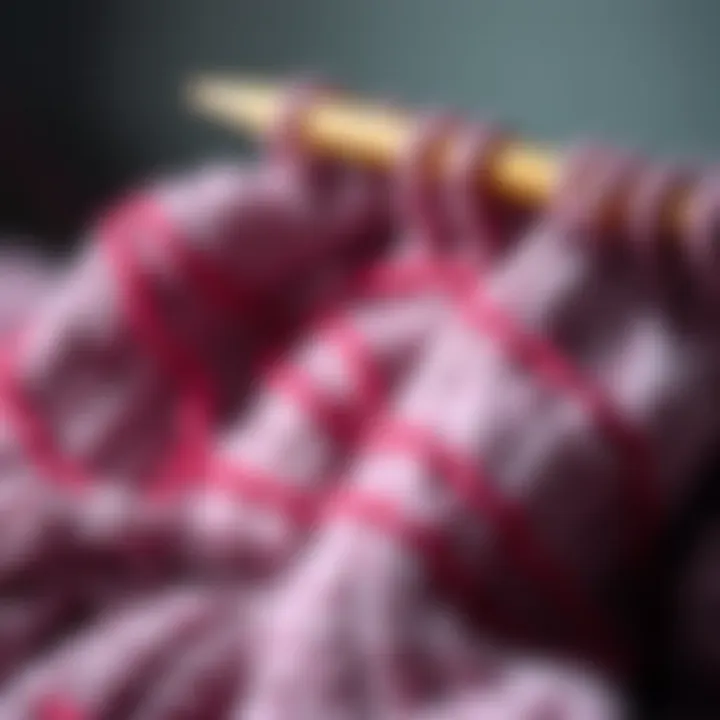
By using these needles, the crafting experience becomes not only smoother but also more enjoyable. They are like a good friend who encourages you to keep going, without tripping you up along the way.
Crochet Uses
For crocheters, large eye needles hold their weight in gold. These needles serve a critical function in the finishing stages of crochet projects, particularly with techniques such as weaving in ends or adding embellishments. With a large eye needle, you're less likely to encounter tangles or misaligned yarn, which can ruin your well-deserved work.
Some specific applications in crochet include:
- Attaching motifs: Whether you're making granny squares or adding decorative elements, these needles simplify the process.
- Edge finishing: A large eye needle helps create seamless edges by easily tucking in loose ends. This not only enhances the durability of the project but also contributes to its overall appearance.
In advance crochet techniques, the efficiency of large eyes needles becomes more pronounced. You will discover that these simple tools transform tedious tasks into streamlined and fulfilling steps. Just like a chef wouldn’t skimp on a good knife, a crocheter benefits greatly from having the right needle at their side.
Finishing Techniques
Finishing techniques can often be a chore, albeit a necessary one, in crafting. Thankfully, large eye needles ease this burden. When you’ve put in hours of labor into your project, it’s vital that the finishing touches reflect the quality of your work. Here’s how large eye needles play a pivotal role:
- Weaving in ends: After knitting or crocheting, ends need careful handling to avoid unraveling. A large eye needle simplifies this process, reducing the risk of damaging works-in-progress. It’s kind of like giving your project a good haircut—tidy and intentional.
- Embroidery embellishments: For those who dabble in embroidery, these needles can help integrate decorative stitches that elevate your project to a new level. Adding a few delicate touches can change the entire vibe of a creation.
Lastly, a common challenge with needlework is maintaining consistency and neatness. By opting for a large eye needle, crafters often notice improvements in their overall finish, making their hard work shine.
In summary, the applications of large eye needles across hand knitting, crochet, and finishing enable a fluid and enjoyable crafting experience. They allow for creativity to flourish while also ensuring meticulous work. Through their versatility and user-friendliness, large eye needles prove to be invaluable allies for both budding and seasoned yarn enthusiasts.
Benefits of Using Large Eye Needles
When it comes to yarn work, the choice of tools can make or break your crafting experience. Large eye needles, with their wide openings and various designs, offer numerous advantages that are worthy of exploration. They cater not only to seasoned knitters and crocheters but also to those new to these crafts. Understanding the benefits of large eye needles can make the difference between a tedious task and a joyful creative process.
Ease of Threading
One of the fundamental advantages of large eye needles is their ease of threading. Imagine trying to thread a typical sewing needle with a fine thread. It can be quite the frustrating endeavor, especially when the thread has a mind of its own and decides to tangle. In contrast, large eye needles allow for a more straightforward experience. The bigger aperture means you can quickly and confidently insert your thread without fumbling around. This can be particularly beneficial for users with reduced dexterity or visual impairments. If you’ve ever struggled to get that pesky yarn through a tiny hole, you’ll appreciate how a large eye needle simplifies this task dramatically. Not only does it save time, but it also minimizes the chances of damaging fragile threads that might fray when pulled tight.
Reduced Eye Strain
Using large eye needles also reduces eye strain, turning a potentially taxing activity into a more comfortable experience. As crafters spend hours working on projects, the clarity of their eyesight can degrade with fatigue. A thicker, larger needle makes the threading and stitching process more straightforward, enabling crafters to work with less squinting or straining their eyes to find the needle's eye. The result? A more enjoyable crafting session where one isn’t constantly battling with eye fatigue. This is especially pivotal for long projects like blankets or sweaters, where hours can fly by.
"A good needle can be the difference between a day spent in frustration and a day filled with creativity."
Enhanced Crafting Speed
Speed is often of the essence in crafting, particularly for professionals who need to meet deadlines. Large eye needles can increase the overall rate at which a project progresses. The straightforward threading and reduced eye strain contribute to a swifter crafting process. When you're not battling with your tools, you can focus on what really matters—the creative expression in your yarn work. Furthermore, since you can use thicker threads or those that are typically harder to thread, you reduce the time spent on fiddly manipulations. In the fast-paced world of fashion design, this enhanced crafting speed can be crucial. Imagine being able to complete a line of products ahead of schedule, giving you a competitive edge.
In sum, the benefits of using large eye needles extend beyond mere convenience; they enhance the crafting experience in fundamental ways. Whether it’s about ease of threading, reducing eye strain, or accelerating project completion, these needles have earned their place as essential tools in any yarn worker's arsenal.
Challenges in Using Large Eye Needles
Navigating the realm of yarn work often extends beyond mere enjoyment; it comes with its own set of challenges, particularly when it comes to employing large eye needles. Understanding these hurdles is essential for crafters who wish to fully utilize the advantages of these specialized needles. Though they have multiple benefits, large eye needles also come with specific considerations that can impact the overall crafting experience.
Compatibility with Different Yarn Types
One of the crucial aspects to be mindful of when using large eye needles is their compatibility with various types of yarn. Not all yarns play nicely with larger needles. For instance, thin, delicate fibers like lace-weight yarn might give a crafter pause when threading through large eyes due to the potential for snags and uneven tension. Conversely, heavier yarns, such as bulky wool blends, might feel cumbersome with these needles, leading to an awkward handling experience.
When selecting yarn, one must think about how it behaves under pressure—more specifically, how it responds to a larger needle's diameter. The key lies in strikeing a balance: find a needle that fits comfortably while still allowing for ease of threading. This understanding becomes even more vital when tackling intricate patterns where accuracy is paramount. Here are a few elements to consider when evaluating yarn compatibility:
- Yarn Weight: Ensure the yarn’s weight aligns with the needle size to maintain a consistent stitch.
- Fiber Content: Different fibers behave uniquely—acrylic may slide, while cotton can grip.
- Yarn Structure: Choose a plied yarn if you're tackling larger needles, as they tend to hold their shape better.
Limitations in Fine Work
While large eye needles offer ease of use, they do come with limitations, especially in fine work. The larger eye, while advantageous for threading chunky yarn, can lead to issues when working with finer threads. This can affect stitch integrity and precision in detail-oriented projects, where small nuances make a significant difference.
For those passionate about embroidery or intricate knit patterns, the width of the needle can become a double-edged sword. The size may draw too much yarn through the fabric, resulting in a disheveled appearance or even distortion of the final product. Those delicate flowers or tiny details might get lost in translation, leading to frustration for seasoned artisans wanting to create exquisite designs.
In summary, while large eye needles serve a vital role in facilitating the threading process, recognizing their limitations is equally critical. Here are some considerations when venturing into fine work with these needles:
- Precision Availability: Look for needles that adjust well to different thread sizes.
- Stitch Definition: Larger needles may alter the definition of fine stitches; consider switching to smaller needles when necessary.
- Project Sensitivity: Be cautious about what project you choose to undertake with a larger needle. Complex, detailed work may benefit from traditional designs.
Ultimately, being informed about the challenges of large eye needles can make a notable difference in a crafter's journey. Armed with this knowledge, one can better navigate the landscape of sewing and knitting, honing skills while avoiding common pitfalls.

Selecting the Right Large Eye Needle
Choosing the right large eye needle can significantly influence your crafting experience. This decision impacts not only how easily you can thread your yarn but also how effectively you can achieve your design goals. When you consider the essence of large eye needles, it becomes clear that they are not simply tools; they serve as bridges between your creative vision and tangible outcomes. Big-eyed needles accommodate a wide range of yarns, which makes them versatile companions for any yarn project, from delicate shawls to sturdy blankets. Their design allows for improved functionality, particularly in scenarios that require speed and accuracy.
Considerations for Thread Type
When selecting a large eye needle, understanding the type of thread you intend to use is paramount. Different thread materials possess distinct characteristics that can affect your choice of needle. For example, if you're working with thick, chunky yarn, you might find yourself leaning towards larger needles that can handle the bulk without compromising integrity. Conversely, if you're opting for finer threads, such as delicate silk or cotton, a needle with just the right eye size ensures smooth threading.
Some common thread types include:
- Acrylic: Versatile and budget-friendly, acrylic works well with larger eyes to prevent fraying.
- Natural Fibers: Dreamy cotton or wool may require needles that blend strength with finesse.
- Blended Threads: Often combine the best of both worlds, but check compatibility to ensure snags and tangles are kept at bay.
Keep this in mind: the choice of thread can enhance or hinder the crafting process, dictating the smoothness or difficulty of your progress.
Matching Needle Size with Project Needs
Needle size is a fundamental consideration in the needle selection process. It’s akin to selecting the right size of an ingredient in cooking; too big or too small can change the outcome entirely. First and foremost, consider the project requirements. Are you trying to achieve intricate lacework, or is your goal to whip up a cozy blanket? Each project will dictate a specific needle size for optimal results.
For example, projects that require a high degree of precision, such as embroidery, might benefit from a smaller, more delicate needle. On the other hand, if you’re diving into a chunky knit, a larger needle enables you to easily maneuver through thicker stitches, leading to a better finished product.
Some guidelines to keep in mind include:
- Pattern Recommendations: Always consider what the pattern suggests for needle size.
- Personal Comfort: Remember, a needle that feels good in your hand is essential for prolonged crafting sessions.
- Yarn Weight: Different yarn weights correspond to different needle sizes. Always check your yarn label for recommendations.
In summary, understanding the considerations for thread type and matching the needle size with the project's needs are crucial steps in selecting the right large eye needle. By keeping these factors in mind, you can further elevate your crafting journey, leading to more satisfying creations.
Innovations in Needle Design
In the realm of yarn crafting, the evolution of needle design has played a pivotal role in enhancing both functionality and user experience. As crafters seek more efficient tools, innovations in needle design have focused on simplifying processes, minimizing strain, and catering to a diverse range of yarn types. These advancements are not just about aesthetics; they serve practical purposes that can significantly impact the crafting experience.
Technological Advancements
The advent of manufacturing technology has certainly paved the way for needles that boast unique functionalities. For instance, some large eye needles now feature anti-friction coatings that allow for smoother threading. This is crucial, especially for those who may struggle with finer threads. By reducing drag, these needles enable crafters to work faster and with greater precision, making tasks such as embroidery or delicate knitting less laborious.
👉 For example, consider a needle with a tapered point that makes penetrating various yarn fabrics a cinch. It allows for seamless maneuvering through knit stitches without stretching or distorting the fabric. On top of that, many new designs incorporate flexible materials that can bend slightly without compromising strength. This flexibility can help in navigating complex stitch patterns which can otherwise become tricky with standard rigid needles.
Moreover, digital technologies have ushered in a new wave of custom needle design. Companies now offer personalization options, allowing crafters to select their preferred needle length, eye size, and material finish. This sort of customization not only speaks to individual preferences but also elevates the overall crafting experience, encouraging artists to engage more deeply with their materials.
Ergonomic Designs
Comfort is king when it comes to crafting, and advancements in ergonomic needle design are a testament to this fact. Needles that prioritize crafting comfort can significantly reduce the likelihood of fatigue during long projects. These designs typically feature soft grip handles, contoured shapes, or materials that mold well to the hand's natural positions, making them a joy to use over extended periods.
Such ergonomic considerations are particularly beneficial for those who face joint issues or other physical constraints. A well-designed large eye needle can mean the difference between joyfully working on a project or feeling strain that could lead one to set it aside.
"The right tools not only improve the crafting experience but can also enhance creativity by removing the barriers of discomfort."
Furthermore, some innovative needles come with built-in features such as measurement guides or bead stops, making it easier for crafters to maintain consistent tension and gauge throughout their projects. This combination of comfort and multi-functionality exemplifies how modern fiber arts tools can elevate the whole crafting process.
As crafting continues to evolve, the needle itself remains a fundamental tool that significantly influences the final output. Innovations in needle designs, driven by technology and ergonomics, ensure that both amateur and professional crafters can create with greater ease and satisfaction.
Comparative Analysis of Needle Types
Understanding the nuances between different types of needles is vital for anyone immersed in yarn work. The comparative analysis of needle types not only informs the selection process but also enhances the overall crafting experience. Each needle serves a specific purpose, and knowing when to reach for a particular type can make the difference between a frustrating project and an enjoyable one.
Large Eye vs. Standard Needles
When comparing large eye needles to standard needles, it's crucial to recognize the defining traits of each. Large eye needles boast an oversized eye, allowing for effortless threading, especially useful for thick yarn or multiple strands. On the flip side, standard needles come with a more traditional, smaller eye that suits finer yarns.
Benefits of Large Eye Needles:
- Simplicity in Threading: The oversized eye accommodates various thread types without the hassle.
- Versatility: Excellent for a range of crafting styles, from knitting to embroidery.
- Accessibility: Particularly helpful for crafters with dexterity challenges.
Limitations of Standard Needles:


- Difficulty with Thick Threads: May cause frustration when threading thicker materials.
- Less Suitable for Layering: Stacking multiple threads can be tricky without a generous eye.
In essence, the choice between large eye and standard needles boils down to the specific crafting requirements and personal comfort. While large eye needles pave the way for ease of use, they may not always be the optimal choice for delicate projects requiring precision.
When to Use Each Type
The decision on which type of needle to utilize can significantly impact the crafting process and final result. Here are some scenarios to consider:
When to Choose Large Eye Needles:
- Thicker Yarns: Ideal for bulky yarns where threading can be cumbersome.
- Multiple Strands: When working with multiple strands in a project, opt for large eye needles to simplify the process.
- Machine Sewing: Great for sewing and finishing touches where ease of threading is a priority.
When to Opt for Standard Needles:
- Fine Detail Work: Projects like lace knitting or intricate embroidery generally benefit from the precision achieved with standard needles.
- Lightweight Fabrics: When dealing with lighter threads, standard needles maintain tension without adding bulk.
- Tight Stitches: If the pattern necessitates tight or compact stitches, the standard needle’s size can help achieve the desired effect.
In the world of yarn work, choosing the right needle may seem trivial, but informed decisions can drastically elevate your crafting experience.
Ultimately, understanding the pros and cons of large eye and standard needles allows crafters to approach their projects with confidence and clarity. Adapting the choice of needle to the specific demands of the yarn and project paves the way for smooth sailing in the creative journey.
Expert Tips for Effective Use
When it comes to crafting with large eye needles, a bit of knowledge can go a long way. The correct practices surrounding their use don’t just enhance the crafting experience; they also prevent frustration, ensuring the threads glide effortlessly through the needle's wide eye. This section delves into best practices and maintenance tips, ensuring that both beginners and seasoned crafters can optimize their work with these essential tools.
Best Practices for Threading
Threading a needle might seem straightforward, yet it can be surprisingly tricky if not done correctly. For those using large eye needles, this task is made simpler, yet there are still nuances to remember:
- Choose the Right Thread Size: The large eye allows for thicker threads or yarns, but it’s vital to match the thread size with the project requirements. Using a thread that's too thick could impede the work, while one that's too thin might slip through easily.
- Keep Threads Untangled: There's nothing more frustrating than a snarl of threads when you’re ready to get to work. Ensure your thread is wrapped neatly in a way that keeps it from tangling before you begin.
- Dip the End in Wax: One lesser-known technique is dipping the thread's end in beeswax. It helps to stiffen the end, allowing for a cleaner pass through the eye of the needle. This is particularly helpful with finer threads that tend to fray.
- Use Natural Light or a Good Light Source: Threading the needle accurately is about seeing clearly. Ensure you’re working in a well-lit space; natural light is ideal, but a good lamp will do the trick too.
By following these practices, crafters can make the most of their large eye needles, navigating the threading process with ease and grace.
Maintaining Needle Health
Just as we care for our hands and tools, proper maintenance of large eye needles ensures their longevity and effectiveness. Here are some to keep in mind:
- Store Correctly: Keeping your needles in a designated pouch or a needle case will prevent physical damage. Misplaced needles can bend or become dull, affecting their performance.
- Regular Cleaning: Over time, needles can accumulate residue from the threads or oils from hands. A gentle wipe with a soft cloth or a small brush can work wonders to maintain their cleanliness. If the needle is particularly dirty, a little rubbing alcohol can be effective—just ensure to dry it afterward.
- Check for Damage: Regularly inspect your needles for any signs of bending or nicks. A damaged needle can ruin the whole project, leading to unintended holes or uneven stitches.
- Rotate Usage Among Different Sizes: If you work on various projects, rotating between several needles can help ensure that no single needle gets overly worn out too quickly. Different sizes serve different functions; using a variety can also introduce flexibility into your crafting.
Taking these small steps will not only keep your large eye needles in prime condition but also enhance the overall crafting experience.
Maintaining the health of your crafting tools is as vital as the actual crafting itself. A well-cared-for needle ensures precision and smooth operation, which can elevate your work to new heights.
With these expert tips in mind, you're better prepared for the intricate world of yarn crafting. The right practices and maintenance can mean the difference between an average project and one that truly shines.
The End and Final Thoughts
As we wrap up this exploration into the remarkable utility of large eye needles, it's essential to recognize their substantial impact on the art of yarn crafting. These needles aren't just a passing trend; they are a fundamental tool that can profoundly shift the experience of both novice and seasoned crafters alike. Their large eyes facilitate an easier threading process, making them not only user-friendly but also a welcome addition for those grappling with fine threads or delicate yarns.
One significant aspect we discussed is how large eye needles can enhance the overall efficiency of many crafting projects. The convenience they provide often translates to quicker project completion, which can be particularly beneficial for fashion designers and marketers who must meet tight deadlines without sacrificing quality. Furthermore, they offer reduced eye strain, which is an underappreciated benefit worthy of consideration for anyone who spends hours on intricate work.
Large eye needles symbolize a perfect blend of functionality and innovation, shaping the crafting landscape.
Moving forward, the selection of an appropriate needle cannot be overstated. Factors such as thread type and project requirements play an instrumental role in ensuring that the right needle is utilized for the task at hand. This approach not only promotes better outcomes but also adds to the satisfaction one derives from the crafting process.
In summation, the relevance of large eye needles extends beyond mere utility. They represent a thoughtful approach to enhancing the crafting experience, offering significant benefits in ease of use, efficiency, and comfort. As the crafting community continues to evolve, these needles are likely to stay at the forefront of discussions surrounding the tools that define our work.
Recap of Key Points
To pinpoint the essential elements we've covered:
- User-Friendly Design: The larger eye accommodates various thread types, making threading a breeze.
- Efficiency Gains: Larger eyes often lead to faster completion of projects, saving time and effort.
- Reduction of Eye Strain: Crafting can be taxing on the eyes, but these needles work to minimize discomfort.
- Thoughtful Needle Selection: Understanding yarn types and their compatibility helps in choosing the right needle, leading to better results.
- Innovative Approaches: The never-ending quest for improvement continues to guide new developments in needle technology.
The Future of Yarn Tools
As we gaze into the future of yarn tools, one can't help but feel a sense of excitement about what lies ahead. The crafting realm is on the precipice of further technological advancements; we're already seeing the emergence of ergonomic designs and improved materials that cater to today's crafting needs.
New advancements might bring about automation in threaders or smart needles that offer guidance for various crafting techniques. Such innovations could make the craft accessible to a wider audience, from young learners to older enthusiasts, who may face physical hurdles.
The ongoing dialogue within the crafting community will likely fuel the evolution of these tools, reflecting a collective desire for improvements that enhance usability and efficacy. As a result, it's paramount for industry professionals—designers, stylists, and marketers—to remain abreast of these changes. Their input could shape future tool iterations, bridging the gap between demand and innovation.
In summary, the journey of large eye needles in yarn work is emblematic of a broader movement toward embracing change and innovation in crafting. With continued investment in research and development, the possibilities are limitless, paving the way for richer experiences in the realm of fashion and textile artistry.