
Mastering Replacement Snaps for Coats

Intro
In the realm of fashion, the small details often make a significant impact, and replacement snaps for coats are a prime example of this notion. These seemingly minor components can drastically alter a garment’s functionality and aesthetic appeal. As seasons change and styles evolve, understanding the nuances of snaps becomes increasingly essential for fashion designers, stylists, and retailers who wish to keep their outerwear in top shape.
When it comes to maintaining and enhancing outerwear, the right choice of snaps can set a coat apart. This article aims to navigate the intricate world of replacement snaps, offering valuable insights that can be tailored for both enthusiasts and industry professionals. By delving into the various types of snaps available, along with practical installation techniques and maintenance tips, we can cultivate an appreciation for these small but mighty fasteners.
Fashion is not just about the big picture; sometimes the beauty lies in the details. Let’s embark on this exploration of replacement snaps, equipping ourselves with knowledge that can elevate any coat from ordinary to exceptional.
Prologue to Replacement Snaps
Replacement snaps might seem small, but their role in our coats is anything but trivial. This article takes a closer look at the importance of these often-overlooked fasteners, providing insights into their significance in outerwear. Whether you’re a fashion designer aiming for the highest quality or a wearer wanting to maintain a cherished coat, understanding replacement snaps is key. Not only do they keep our garments functional, but they also contribute to the overall aesthetic appeal.
Significance of Snaps in Outerwear
Snaps in outerwear serve crucial purposes beyond mere fastening. First, they offer ease of use when it comes to putting on and removing garments. A well-placed snap can provide a seamless experience, making it easier for the user to navigate their attire, especially on frosty mornings.
Moreover, snaps can enhance design versatility. They come in various styles and colors that contribute to the overall look of a coat. A chic winter coat, adorned with shiny metal snaps, can elevate an outfit from bland to stylish in a heartbeat. In this way, snaps aren't just functional; they’re an integral part of a garment's identity.
Interestingly, the placement of these small yet impactful fasteners can change the drape and flow of a jacket. Properly secured, they ensure that the silhouette remains intact, adding to the wearer’s confidence and style. Without a doubt, they play a critical role in the structure of outerwear.
Common Issues with Existing Snaps
Despite their virtues, snaps are prone to various issues that can frustrate wearers. One of the most common problems is snap failure, where the fastener pops open unexpectedly. This can be especially concerning when the temperature drops, exposing the wearer to the elements. Additionally, over time, snaps can become loose or misaligned. A snap that has lost its grip can render a coat useless, turning a cherished piece into a burden.
Another common issue arises from the snap materials themselves. Snaps made from low-quality plastic can break easily, while metal snaps might corrode if not properly cared for. Just imagine finding your coat only to realize a snap is missing or damaged. It’s a hassle that can be easily avoided with proper maintenance and timely replacements.
"A well-functioning snap can save you from a wardrobe malfunction just when you need it most."
Considering these aspects, it becomes clear that understanding the world of replacement snaps is not just helpful but essential. From choosing the right materials to knowing when to replace these fasteners, let's dive deeper into the types and tools you may need to navigate this intricate realm.
Types of Replacement Snaps
Understanding the various types of replacement snaps is crucial for anyone looking to repair or upgrade their coats. Each snap type serves specific purposes, and selecting the right one can greatly enhance both functionality and aesthetics. The right snap not only ensures that your coat fastens securely but also contributes to its overall design. Therefore, let’s delve into the material variations and design options that you can choose from.
Material Variations
Plastic Snaps
Plastic snaps are lightweight and come in a variety of colors, making them a versatile option for many coats. They can offer a sense of lively style without necessarily compromising on functionality. One of the key characteristics of plastic snaps is their affordability; they tend to be less expensive than metal options, which makes them popular for fashionistas on a budget.
A unique feature of plastic snaps is their resistance to corrosion, which is particularly advantageous for outerwear subjected to moisture. However, while they may withstand wet conditions, they are less robust compared to metal snaps. Therefore, using plastic snaps on heavier coats may not be advisable if you require long-lasting durability.
Metal Snaps
Metal snaps bring a level of sturdiness and elegance that plastic can’t match. They’re commonly found in high-end outerwear, offering both functionality and a refined appearance. The key characteristic of these snaps is their ability to securely fasten coats while being more resistant to wear and tear over time.
Metal snaps also come in various finishes, like nickel and antique brass, offering a unique aesthetic touch that can complement specific designs. However, one drawback is that they can be heavier than plastic, which may impact lightweight garments. Additionally, metal snaps may be prone to rust if not properly cared for, making routine maintenance an essential consideration for owners.
Fabric Covered Snaps
For those who want their snaps to blend seamlessly into the coat's material, fabric covered snaps are a stellar choice. These snaps are coated in fabric that matches or complements the garment, offering an exceptionally polished look. They provide a flair for detail that is particularly appealing to fashion designers aiming for cohesive aesthetics.
The unique selling point of fabric covered snaps is their ability to camouflage themselves, creating a clean finish on the garment. However, while they can add sophistication, they may be less durable than their plastic or metal counterparts in high-stress situations. Moreover, cleaning these snaps can be challenging since the fabric might fade or wear over time.
Design Options
Standard Snaps
Standard snaps are the go-to choice for many coat manufacturers, providing functionality without the bells and whistles. They are typically practical, straightforward, and sturdy, ensuring that the garment remains easy to use while looking good. A key characteristic of standard snaps is their universal design, making them compatible with various styles and materials.
These snaps are especially beneficial in terms of replacement as they can be found easily, which is crucial for those looking to repair their coats without excessive fuss. However, their simplicity can be a double-edged sword, as they may lack the distinctive flair that some fashion enthusiasts seek in a replacement snap.


Decorative Snaps
For those who want to add a bit of pizzazz to their coats, decorative snaps are the way to go. These snaps come in intricate designs, featuring embellishments or unique shapes that can elevate the overall look of a garment. Their primary contribution rests in their ability to turn a basic coat into a statement piece.
The unique feature of decorative snaps is their eye-catching nature, appealing to those who prioritize aesthetics in addition to functionality. However, it’s essential to consider that these may not be as robust as standard or metal options. If the garment is frequently worn, the decorative aspect may wear away more quickly, making durability a trade-off for style.
Snap Color Choices
Color options play a significant role in the visual impact of snaps. At first glance, they might seem like a minor detail, but the right color can drastically change the overall appearance of a coat. Snaps are available in nearly any color imaginable, allowing designers to match jacket snaps to their fabric or use contrasting colors for an eye-catching effect.
The flexibility of snap color choices can lead to creative designs, which is particularly beneficial for fashion designers. On the downside, colored snaps may fade over time or result in mismatched wear with different garments, which poses a potential concern in maintaining a cohesive outerwear wardrobe.
In summary, understanding the types of replacement snaps available is essential when considering repairs or upgrades to coats. The choices vary significantly based on material, design, and color, each presenting its own set of characteristics that can affect both appearance and durability. Selecting the right snap can ultimately lead to a coat that not only functions well but also looks great.
Tools for Replacing Snaps
When it comes to giving a coat a second lease on life, knowing the right tools for replacing snaps becomes crucial. Tools don't just facilitate the replacement process; they also assure that the snaps will endure the wear and tear of everyday use. Each tool has its role, and using the appropriate ones means the difference between a quick fix and a lasting repair.
Possessing the right tools allows anyone—whether a fashion designer or an avid DIYer—to effectively tackle snap replacement, ensuring coats don’t just look good but function seamlessly too. Skipping this step can lead to frustration and ultimately poor results, which is a scenario anyone can avoid with a bit of preparation.
Essential Tools Required
To start the journey of replacing snaps, a handful of indispensable tools will make the task much smoother. Here’s what you'll need:
- Snap Fastener Tool Kit: This often includes snap setters and a pressing tool specifically made for applying snaps without damaging the fabric.
- Pliers: A good pair of pliers can help loosen stubborn snap parts and facilitate the installation of new ones.
- Awl: In cases where you need to create a new hole for the snap, an awl can come in handy.
- Scissors: Sharp scissors are vital for trimming any loose threads or fabric that might be in the way.
- Measuring Tape: To ensure that snaps align properly, precise measurements are essential.
Having these tools at your fingertips will not only streamline the process but also minimize the chances of error.
Optional Tools for Advanced Techniques
For those looking to take their snap-replacing skills a notch higher, there are several optional tools that can enhance the process:
- Hammer: Useful when setting snaps, especially in thicker fabrics where manual pressure isn’t sufficient.
- Fabric Glue: In certain cases, combining snaps with fabric glue can reinforce the attachment, particularly for delicate materials.
- Tailor’s Chalk: Marking precisely where new snaps should go, tailor's chalk helps ensure exact placement.
- Seam Ripper: When removing old snaps or openings, a seam ripper is a gentle alternative to scissors that can prevent snags.
- Snap Installation Guides/Apps: There are various resources available that provide virtual assistance on the installation process, ensuring it's done right.
These optional tools may add extra finesse to your snap replacements, providing a more polished finish and functional outcome.
"A great snap replacement is not just about the snap—it’s about having your tools in order and knowing how to use them efficiently."
Equipping yourself with both necessary and optional tools will ultimately enhance the snap replacement experience. This preparation can make a task that might seem daunting into a straightforward project, helping designers and fashion enthusiasts alike keep their coats looking fresh and stylish.
Step-by-Step Guide to Replacing Snaps
When dealing with outerwear, the snap fasteners play a vital role in functionality and design. Knowing how to replace them properly can mean the difference between a well-functioning garment and a frustrating experience every time you try to fasten your coat. This section provides a detailed roadmap for anyone looking to refresh the snaps on their coats, equipping you with the skills to carry out this task with confidence.
Removing Damaged Snaps
Before you can install new snaps, the damaged ones must first be taken out. To do this effectively, you need the right tools—typically, a pair of pliers or a snap removal tool.
- Assess the Damage: Inspect the snap closely. If it's just a bit loose, it might be worth tightening before resorting to replacement. However, if the snap is completely detached or broken, it’s time to proceed.
- Identify the Snap Type: Understand how the current snap is attached. Some snaps are secured with a simple prong system, while others may be riveted into place.
- Grip and Twist: Use your pliers to grip the snap firmly.
- If it’s a prong, twist gently back and forth until it loosens enough to pop off.
- If you encounter resistance, you might need to cut it off, but be cautious not to damage the surrounding fabric.
After the snap is removed, clean the area of any loose threads or residue to prepare for the installation of the new snap.
Preparing the Area for New Snaps
With the old snap gone, you’ll need to ensure that the surface is ready for the new snap installation. This step is crucial because the integrity of the new snap greatly depends on how well the area is prepared.
- Inspect the Fabric: Look at the surrounding area closely. If there's tearing, reinforcing the fabric may be necessary to prevent further problems.
- Mark the Placement: Use a fabric chalk or marker to indicate where the new snaps will sit. Be sure to measure spacing from other snaps or garment edges to maintain uniformity.
- Stabilize the Fabric: If the coat is made from a delicate material, you might want to use a piece of interfacing or fusible tape behind the area to add support. This step will ensure that the new snap won’t pull through the fabric easily.
By taking the time to prepare thoroughly, you’ll save yourself headaches down the road by ensuring the snap fits securely.
Installing the New Snaps
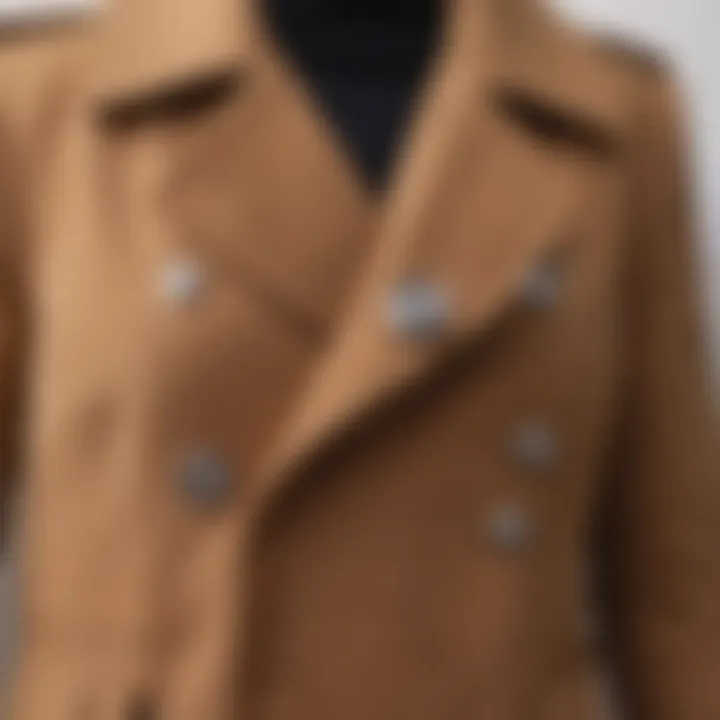
Now comes the exciting part: installing the new snaps. This step can feel rewarding, as it brings your coat one step closer to being as good as new.
- Choose Your Snaps: Pick the right type of snaps based on the earlier sections. For a casual coat, plastic snaps might work, while for a more luxe outerwear piece, consider metal or decorative snaps.
- Follow Instructions: If you bought your snaps from a store, they often come with a guide for installation. Read this carefully to understand specific requirements for your product.
- Secure the Snap: Position the snap on the marked area and press it firmly into place. Most snaps will then require you to use a hammer or snap tool to secure them properly.
- Test the Functionality: Once it’s in, make sure to test the snap a few times to ensure it fastens and releases smoothly. A good snap should not only look good but also feel reliable in functionality.
Remember, replacing snaps can reinvigorate an old coat, giving it a fresh lease on life, both in appearance and functionality.
As simple as replacing snaps may seem, attention to each of these steps is crucial to ensure a successful installation. Take your time with each phase, ensuring to carefully address any challenges that arise. With a bit of patience and effort, your coat can return to its prime, ready for the next chilly day.
Choosing the Right Snap
Selecting the appropriate snap for your coat might seem like a straightforward task, but there’s a whole lot more than meets the eye. Choosing the right snap is pivotal, as it not only impacts the functionality of your outerwear but also influences its overall aesthetics. Ensnared in a tangled web of materials, styles, and functionality, making the right selection becomes essential for any coat owner—be it for personal attire or as part of a fashion line.
The joys of fashionable outerwear often get diminished by the frustrations over shear functionality. Voiding all your efforts for style by having snaps that won’t hold up is something every fashion-conscious individual wishes to avoid. Thus, let’s delve deeper into the crucial factors that deserve your keen attention when selecting replacement snaps.
Factors to Consider
Coat Material Compatibility
Understanding coat material compatibility is fundamental when picking your replacement snaps. Different materials respond differently to various types of snaps, and using a mismatched one may well lead to an unwelcome wardrobe malfunction.
For instance, a heavy-duty fabric like denim seeks sturdy metal snaps to withstand wear and tear, whereas lightweight materials such as nylon or polyester might pair well with plastic snaps. The key takeaway here is that your snaps should hold up under the environmental stresses unique to the materials they are securing. An ideal match ensures durability and functionality.
Additionally, this aspect offers a practical edge, minimizing the frequency of replacements, thus saving time and effort in the long run. But, keep in mind: a snap that’s too rigid may not only snatch fabrics but also ruin that famed comfort.
User Functionality Requirements
User functionality requirements play an indispensable role in how snaps perform in real-world scenarios. Think about how you use your coat. If it’s for casual outings, perhaps a decorative snap would do the trick; however, if you plan on wearing it while traversing windy streets, a more robust snap might be necessary.
The essence of keeping your snaps functional stems from considering how often they will be used. Choosing snaps that provide ease of use can lead to a much smoother experience. For example, a user-friendly snap design allows for quick fastening and unfastening, keeping your hands warm while not fussing too much with the snaps.
Fitting the snaps to user mobility enhances garment usability without compromising style or flair. This ensures you won’t find yourself fumbling your way through an outfit that isn’t cooperating as needed.
Style Compatibility
Style compatibility is another aspect that cannot be overlooked in the quest for the perfect snap. A notable characteristic is the way snaps contribute to the overall design of a coat. Let’s face it—who wants to ruin an aesthetically pleasing garment with incongruous snaps? Choosing snaps that align with your coat’s style isn’t just about utility; it’s also about maintaining the visual integrity of your ensemble.
Think about colors, textures, and even shapes of the snaps in relation to your coat's design. Classic styles might favor understated metal snaps, while bohemian pieces could benefit from colorful or uniquely designed snaps. Thus, selecting the right aesthetic not only holds your coat together but serves as an accent itself.
Equilibrium between functionality and style can cement a wardrobe staple that will gain you compliments rather than a raised eyebrow. Balancing the two ensures that every snap serves as a statement and not merely a means to an end.
"Ultimately, the right snap isn’t just about keeping things together; it’s about creating a cohesive look that reflects personal style."
To summarize, when choosing the right snap, it’s vital to consider coat material compatibility, user functionality requirements, and style compatibility. Each of these elements contributes to achieving a balance of durability, ease, and aesthetic appeal. Selecting thoughtfully will not only beautify your garment but also prolong its life, marrying form with function in a beautiful symphony of design.
Maintaining Snap Integrity
Maintaining the integrity of snaps in coats is crucial yet often overlooked in everyday garment care. Snaps, while small, play a significant role in both functionality and aesthetics. A snap that fails can lead not only to inconvenience but also to potential damage to the outerwear itself. When snaps become loose, rusted, or damaged, they can detract from the overall style of the coat. Therefore, ensuring their integrity involves a mix of preventive measures and regular maintenance that can extend the life of your outerwear.
Regular Inspections
Regular inspections are the first step in maintaining snap integrity. Just like we routinely check the brakes on our car, it is vital to give the snaps on our coats a quick once-over periodically. This habit can save us from larger issues down the line. During an inspection, the following points should be examined:
- Condition of the Snap: Look for wear signs, such as cracks in plastic snaps or rust on metal ones. If they seem to be on their last legs, it’s better to replace them sooner rather than later.
- Functionality: Test each snap to see how well it closes and opens. A snap that doesn’t hold or pops open easily signals trouble.
- Alignment: Ensure that snaps are properly aligned with their corresponding counterparts. Misalignment can lead to unnecessary strain that may cause them to fail.
“An ounce of prevention is worth a pound of cure.” Keeping an eye on those little buttons can prevent an expensive wardrobe mishap later.
Incorporating regular inspections into your coat care routine may seem minor, but it can effectively detect issues before they escalate, keeping your snaps secure.
Cleaning and Care Techniques
Keeping snaps clean is another essential aspect of maintaining their functionality. Dust, dirt, and moisture can accumulate over time and impact the performance of the snaps. Specific care techniques include:


- Routine Cleaning: After every few uses, wipe the snaps with a damp cloth to remove any dust or grime. This not only makes them look better but helps prevent deterioration.
- Avoid Harsh Chemicals: It might be tempting to use bleach or heavy-duty cleaners, but those can damage the material of the snaps. Use mild soap and water for cleaning instead.
- Dry Thoroughly: After cleaning, ensure the snaps are completely dried to avoid moisture buildup that could lead to rust in metal snaps.
- Conditioning: For metal snaps, consider applying a small amount of silicone spray occasionally to keep them operating smoothly. This can help prevent rust and make them easier to snap.
The attention given to cleaning and maintaining snaps is not merely about fashion; it adds to the sustainability of your wardrobe by prolonging the life of your favorite coats.
By factoring in these maintenance strategies into your outerwear care routines, you’ll ensure that every snap serves its purpose reliably while keeping your coat in top-notch condition.
Professional vs. DIY Snap Replacement
When it comes to replacement snaps for coats, the decision between hiring a professional or taking the DIY route can be a pivotal one. Understanding the implications of each option not only influences the end result but also affects time management and cost considerations. A professional touch can ensure a polished finish but might leave a dent in your wallet. On the other hand, doing it yourself might save money, yet it comes with risks if you're not familiar with the process. Each choice has its own set of characteristics worth exploring.
When to Seek Professional Help
Sometimes, hiring a professional is the most sensible path. If your coat has sentimental value or is a designer piece, the stakes are high. Professionals bring skills and experience, particularly if there are intricate details, special fabrics, or unique snaps involved. Moreover, if you're working with vintage or delicate materials, the expertise of a trained tailor can be crucial. Here are some key scenarios where professional assistance might be warranted:
- Complexity of Work: If a snap is embedded in a thick layer of fabric or involves multiple components.
- Specialized Materials: Certain fabrics like leather might require specific tools or techniques.
- Urgent Repairs: If time is of the essence, outsourcing can deliver quicker turnaround.
- Aesthetic Concerns: A professional's eye can help maintain or elevate the design integrity of your coat.
"A stitch in time saves nine" – this old saying rings true; sometimes, spending a little more upfront can save you big troubles later.
Benefits of Doing It Yourself
Choosing to replace snaps on your own has its own charm and distinct rewards. For the DIY enthusiast or the budget-conscious individual, it provides a hands-on opportunity to engage with one’s own garments. Not only does it save you money, but it also allows a level of personal involvement that can be deeply satisfying. Here's a deeper dive into the advantages:
- Cost-Effective: Often, the cost of tools and snaps will be significantly less than professional fees.
- Customization: You can choose snaps that resonate with your personal style, turning a standard coat into something uniquely yours.
- Skills Development: Learning how to replace snaps can expand your sewing toolkit and build confidence in handling garments.
- Convenience: There's no need to fit appointments into your busy schedule; you can work at your own pace.
Ultimately, whether you go with a professional or DIY hinges on your comfort level, the importance of the coat, and how much you're willing to invest—both in terms of time and money. Gain a thorough understanding of the process to make an informed decision that best suits your personal and aesthetic needs.
Sustainability Considerations
In today’s world, the push for sustainable practices is more evident than ever, especially in fashion and textiles. When it comes to replacement snaps for coats, being mindful of sustainability means making informed choices that extend the lifespan of a product while minimizing environmental impact. This section will delve into the importance of selecting eco-friendly options and assessing the implications of repair versus replacement.
Eco-Friendly Snap Options
As the climate crisis looms, the focus on eco-friendly materials has gained traction across industries. In the realm of clothing fasteners, there are several options that not only function effectively but also tread lightly on the earth. For instance:
- Biodegradable Materials: Some companies are now producing snaps made from materials that will decompose over time, such as cornstarch-based plastics. This reduces long-term waste in landfills.
- Recycled Metals: Metal snaps, which can sometimes be sourced from recycled materials, offer a robust option that also advocates for resource conservation.
- Natural Fibers: Fabric-covered snaps can be made using organic cotton or hemp, which present a more sustainable profile compared to synthetic fibers. These choices create a unique aesthetic while contributing to reduced environmental harm.
By leaning towards these alternatives, one not only enhances their outerwear but also aligns with broader eco-conscious trends. It reflects an understanding that fashion is not just about style, but about making responsible choices.
Impact of Repairing vs. Replacing
When faced with a snapped fastener, the decision to repair or replace is pivotal. It goes beyond mere functionality; this choice has wider implications.
- Environmental Footprint: Choosing to repair a damaged snap reduces waste and minimizes resource consumption. Every repair prolongs the garment's life cycle, keeping it out of landfills longer.
- Cost Efficiency: Repairing is often less costly than replacing an entire coat or even having a professional do it for you. It saves not just dollars but time in searching for a new item.
- Quality Over Quantity: Repairing can never be dismissed as a low-tier choice. In fact, it champions the value of quality craftsmanship. Many fashion enthusiasts today appreciate a well-loved piece that carries a story, making repairs a celebration of durability.
"Repair is a form of elegance. It signifies that we value what we own and wish to extend its life."
Ultimately, balancing the decision between repairing and replacing snaps underscores the larger discourse about consumer responsibility. Fashion, at its heart, can play a significant role in a sustainable future, and every snap involved in your coat can be a small part of that movement.
Closure and Future Trends
In wrapping up this exploration into the world of replacement snaps, it’s essential to recognize how these small but significant fasteners play an integral role in the broader context of outerwear design and functionality. Understanding the nuances of snaps—from their material properties to installation techniques—provides insights that extend beyond mere aesthetics; they are at the nexus of style and practicality. Harnessing this knowledge empowers designers, retailers, and consumers alike to make informed choices, ensuring that outerwear not only looks good but also stands the test of time.
When considering the future trends in snap design, various elements come into play. The potential for advanced materials promises innovations that could enhance durability and create more lightweight options than currently available. Keeping an eye on these developments can aid in predicting market shifts, allowing actors in the fashion industry to stay ahead of the curve.
"The snaps we choose can define not just the functionality of a garment but also its overall appeal."
Recap of Key Points
Reflecting on the key points discussed throughout this article:
- Significance of Snaps: Snaps are critical for both functional performance and design aesthetics in outerwear.
- Types of Snaps: Various options, including plastic, metal, and decorative snaps, cater to different styles and uses.
- Replacement Techniques: A clear step-by-step approach demystifies the installation of new snaps, suitable for both DIY enthusiasts and professionals.
- Choosing the Right Snap: Factors like compatibility, style, and user functionality are paramount when selecting snaps for coats.
- Sustainability Considerations: Eco-friendly options and the impact of repairs highlight the growing importance of sustainability in the fashion landscape.
- Emerging Technologies: Innovations in materials and design foreshadow a transformative future for snaps.
Emerging Technologies in Snap Design
As we look ahead, new technologies are paving the way for future developments in snap design. Smart textiles might influence the evolution of snaps, incorporating features that could allow fasteners to respond to environmental stimuli. For instance, snaps that adjust tension based on temperature changes or humidity levels could set a new benchmark in outerwear functionality.
Additionally, 3D printing technology is opening doors for customized snaps that can better meet individual needs and preferences. This could lead to a shift from mass production to personalized, on-demand manufacturing, which resonates well with the growing consumer desire for unique fashion statements. Furthermore, integrating biodegradable materials into snap designs addresses environmental concerns, reflecting a larger trend towards sustainable fashion practices.
Engaging with these upcoming trends can yield significant advantages, positioning brands and designers as leaders in an ever-evolving market. It’s an exciting time to be involved in the world of fashion, particularly in the realm of functional elements like snaps that, while often overlooked, are crucial to the garment industry.